Khaled Hosseini is an Afghan-American writer whose novels bring Afghanistan’s history closer to readers through deeply personal stories. Rather than presenting war only through dates and political events, he reveals its impact on families, friendships and ordinary lives.
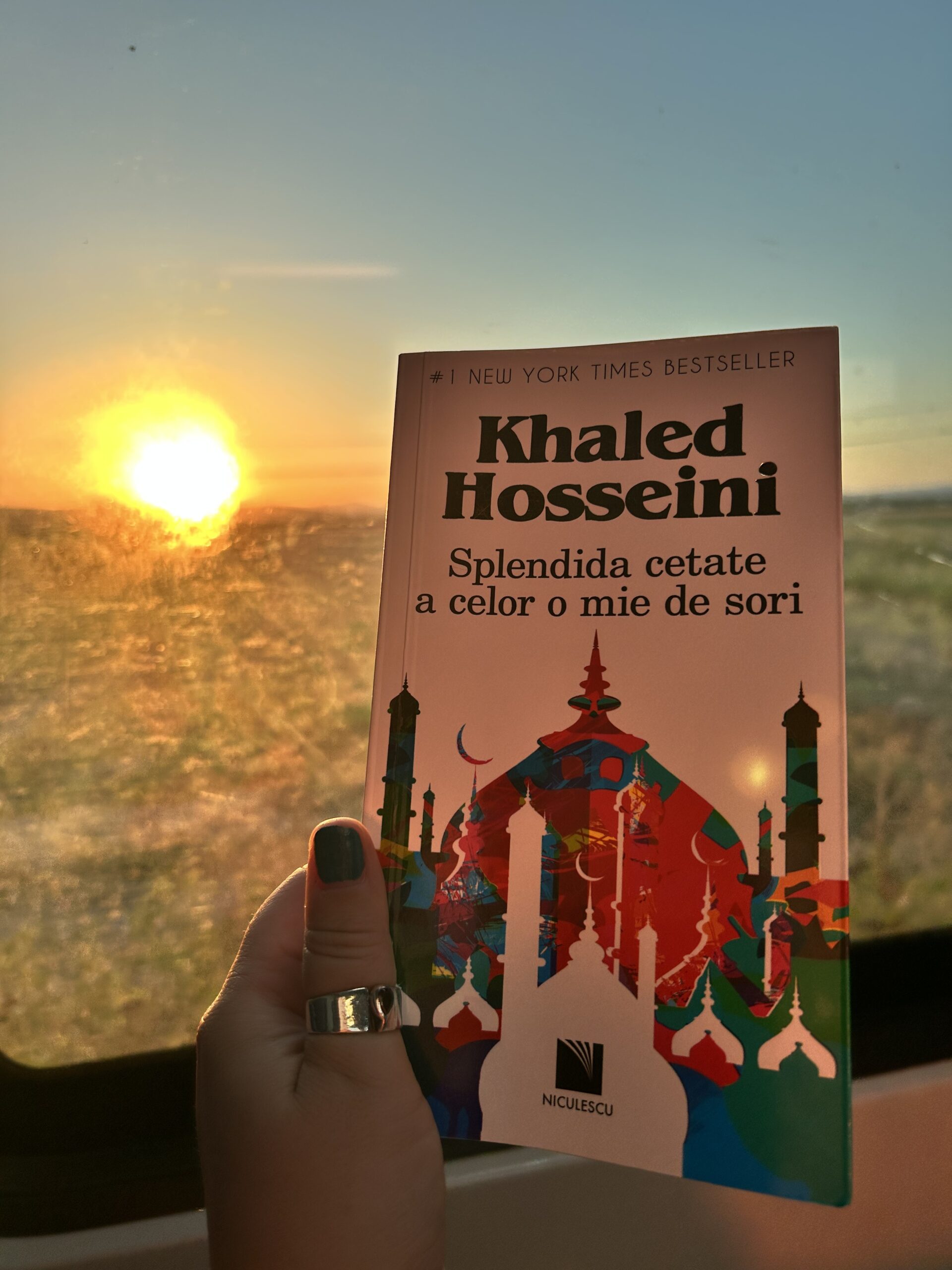
A Thousand Splendid Suns is one of those books that hurts deeply but is impossible to put down. Through the lives of Mariam and Laila, Hosseini portrays the suffering of Afghan women trapped in a society shaped by war, violence and profoundly unjust rules. At first, the two women seem connected only by their marriage to the same abusive man, but their relationship gradually develops into a powerful bond, a chosen family and a form of resistance.
Mariam was the character who affected me most. She grows up believing that she is unworthy of love, yet ultimately turns love into the most courageous act of her life. Her sacrifice gives meaning to an existence marked by rejection and transforms a seemingly powerless woman into one of the novel’s strongest figures.
The novel is also about the extraordinary strength required to continue hoping when life offers almost no reason to do so. Mariam and Laila endure loss, fear and humiliation, yet they still imagine a different future. Her hope is a daily act of courage, the decision to believe that life can still contain love, dignity and freedom despite everything that has been taken from them.
In the background, Kabul changes alongside the characters. A city once associated with childhood and possibility becomes a landscape of fear and ruins, without entirely losing its beauty or its capacity for renewal. The title becomes even more moving because it reminds us that, beyond everything war destroys, a city continues to live through the people who love it.
This is a novel about suffering, but even more about solidarity, dignity and the power to give another person the chance of a better life. At the end, what remains is not only the grief for Mariam, but also the feeling that her love continues through Laila’s freedom and through every new beginning made possible by her sacrifice.
Hosseini’s story reminds us that peace is not an ordinary or permanent condition for everyone. It is a fragile privilege that should be recognised, protected and never taken for granted.
After A Thousand Splendid Suns, I would also like to explore more of Hosseini’s writing. The Kite Runner examines friendship, guilt and redemption against the changing history of Afghanistan, while And the Mountains Echoed follows the lasting consequences of separation across generations and countries. Together, these books continue Hosseini’s deeply human exploration of loss, memory, belonging and hope.